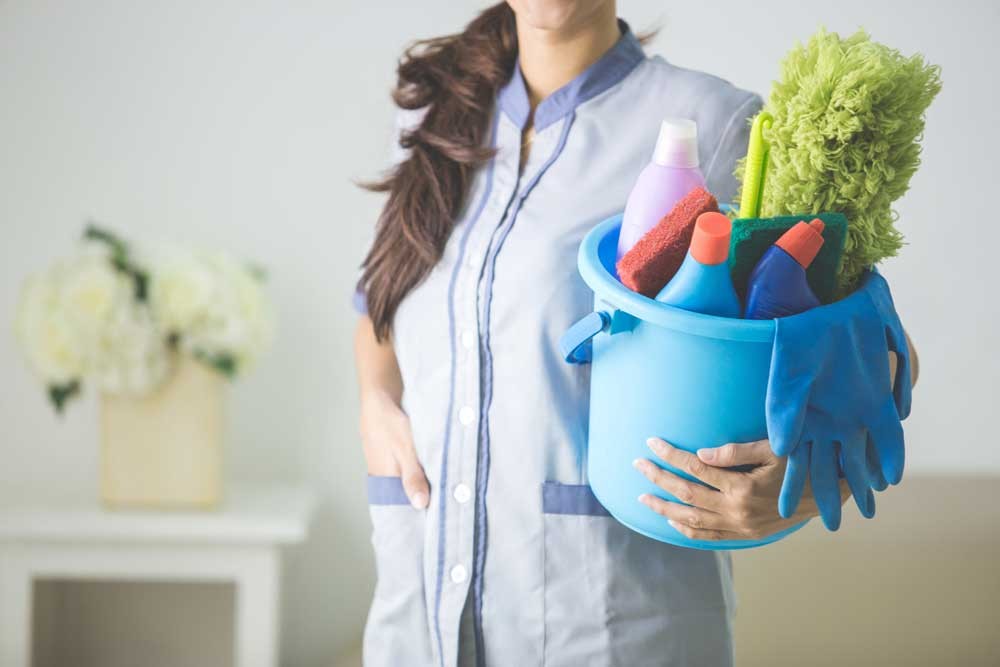
- Irritant contact dermatitis is the most common skin problem from housework, and it usually hits the hands first (HealthHub).
- Common triggers: detergents, cleaning agents, disinfectants, bleach, water and some foods (HealthHub).
- HealthHub advice: cotton gloves inside loose rubber gloves, rubber gloves for no more than 30 minutes at a stretch, vinyl if she is allergic to rubber.
- Employers in Singapore pay for the helper's medical care, and medical bills cannot be deducted from her salary.
- Helper medical insurance must cover at least S$60,000 a year for inpatient care and day surgery (MOM).
- Swelling of the face or lips with difficulty breathing is an emergency: call 995.
Friends,
Your helper shows you her hands.
Red, dry, peeling, maybe cracked at the knuckles.
Now, before you panic (or google 47 home remedies), here is a calm, practical plan.
What causes skin allergy in maids in Singapore?
Most cases come from the job itself: hands in water and chemicals all day.
HealthHub lists two main types linked to housework.
Source: HealthHub, "Skin Diseases Associated with Housework" (checked 15 Oct 2026).
Should I bring my maid to see a doctor for a skin rash?
Yes.
Rashes look alike to us laymen, and a doctor can tell eczema from fungus from an allergy.
HealthHub notes treatment can include steroid creams, moisturisers and oral antihistamines, which is doctor territory.
- Tell the doctor what she handles daily: detergents, bleach, gloves, foods.
- Snap photos of the rash on good and bad days. Flares come and go.
- Ask which products she should avoid, then actually swap them at home.
Who pays for my maid's skin allergy treatment?
You do, as the employer.
MOM says employers are responsible for their helper's well-being, including her medical expenses.
Swipe left or right to see the full table on mobile.
| Item | What applies |
|---|---|
| Clinic visits and medicine | Employer pays. Do not deduct from her salary. |
| Medical insurance | At least S$60,000 a year for inpatient care and day surgery. |
| Co-payment | Above S$15,000, insurer pays 75% and employer 25% (policies from 1 Jul 2023). |
| Gloves, gentle soap, creams | Cheap. Buy them. Fewer flares, fewer clinic trips. |
Source: MOM insurance requirements for migrant domestic workers (checked 15 Oct 2026). Outpatient GP visits usually fall outside the inpatient policy, so budget for them yourself.
How can I stop my maid's skin allergy from getting worse at home?
Small swaps, done every day.
These are the ones that cost little and help most.
- Separate toilet slippers so cleaning chemicals stay off her feet.
- Soft house slippers with a non-slip sole for the rest of the day.
- Moisturiser after wet work and at bedtime. The NHS notes thick, greasy ointments (petroleum jelly type) suit very dry skin and night-time use. Cotton gloves or socks over them keep the sheets clean.
- Her own skincare products, bought by you, so she does not ration them.
How do I talk to my helper about her skin condition?
Many helpers keep quiet about rashes because they worry about losing the job.
Make it easy for her to speak up.
- Ask once a week: "How are your hands?" Two seconds, big difference.
- Let her pick which product feels better. She is the one using it.
- If a chore always causes a flare, switch the method (tools, gloves, timing).
Wet work every day is hard on anyone's hands...
Gloves, gentle soap and a quick doctor visit go a long way.
You know what to do.
Browse helper profiles and employer guides on Searchmaid.
Browse SearchmaidCheers,
Ray
P.S. A box of cotton gloves costs less than one GP visit. Cheapest insurance in the house.